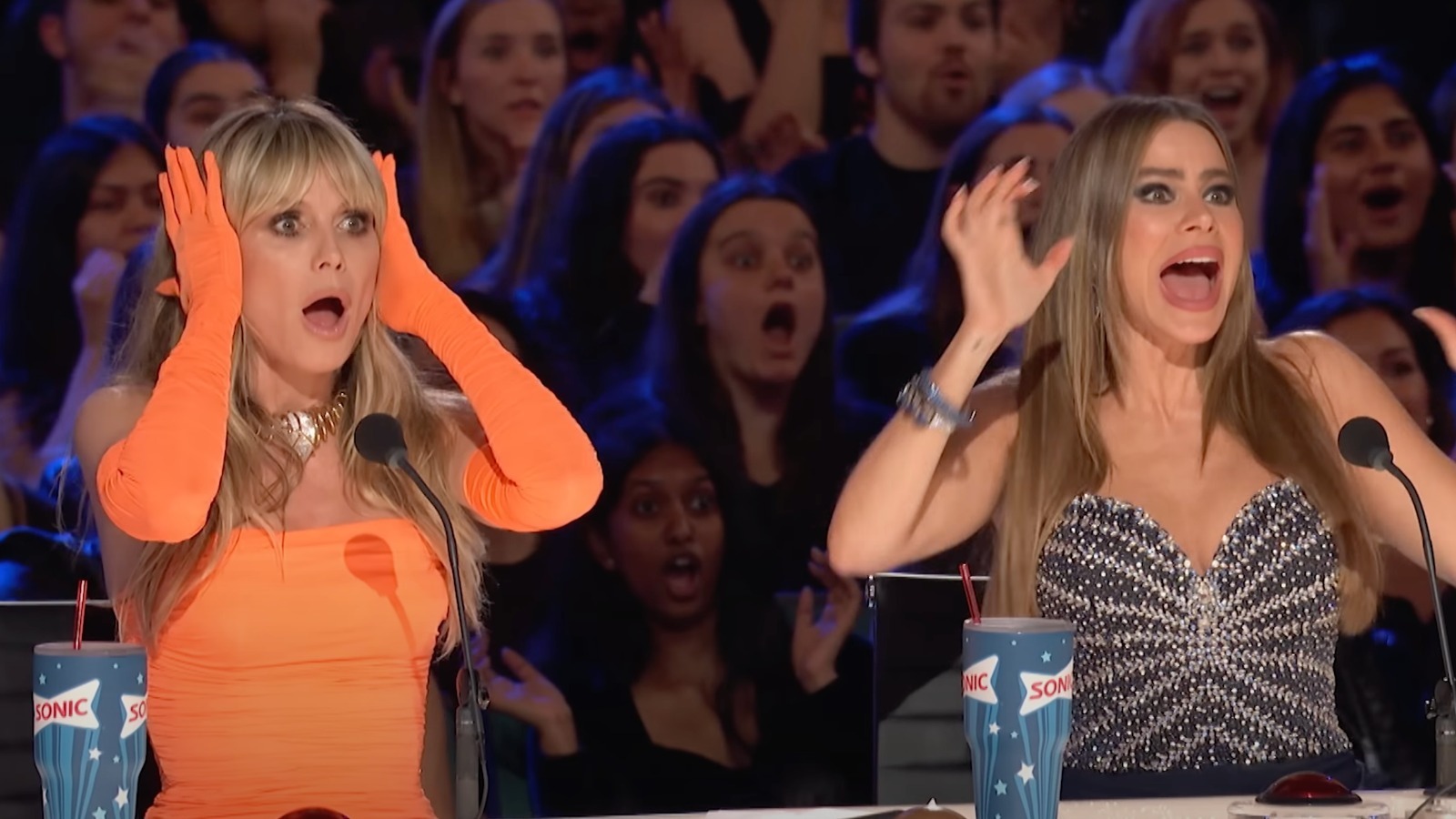
OOPS! When Your Wife and Dance Partner Doesn’t Show Up to Her AGT Audition
The Big Moment of Surprise
Live on stage for America’s Got Talent, the lights were bright, the music queued, and the contestant stood ready to perform a choreographed dance alongside her wife and partner. The plan: a polished duo routine, synchronized moves, elevated lifts, and emotional connection. But then — the partner was nowhere to be seen.
This missing dance partner moment turned what was supposed to be a confident audition into a high‑stakes emotional test in front of the judges— Simon Cowell, Howie Mandel, Sofía Vergara and possibly others.
Initial Reactions: Shock, Silence & Decision‑Time
The judges noticed immediately. Simon’s raised eyebrow. Howie’s swift glance sideways. The audience muttering among themselves. A missing partner changes the dynamic instantly: from rehearsed and practiced to improvised and vulnerable.
At that moment the contestant faced a crossroads: walk off the stage, cancel the performance, or go ahead solo. Choosing to go ahead solo is bold—it means owning the moment, adapting on the fly, and hoping stage presence compensates for the missing partner.
Going Solo: Adaptation Under Pressure
When expecting a partner and performing alone, several things become critical:
-
Re‑mapping the choreography: Moves meant for two need to be re‑imagined for one — the lifts vanish, the connection shifts to audience focus.
-
Stage presence & energy: Without a partner, the performer becomes the sole visual anchor. Every step, every gesture counts.
-
Emotional resilience: Live performance can hit sudden glitches; how the performer responds says almost as much as the routine.
-
Engaging the judges & audience: With a partner absent, connecting with the judges and crowd becomes even more vital to retain relevance and impact.
In this scenario, the contestant did just that—stepping into the spotlight alone, recalibrating, and delivering a performance that turned heads and softened hearts.
Why This Moment Resonates
This situation taps into something universal:
-
Human vulnerability on a stage: We expect perfection in talent shows, but we also respond deeply to someone facing unexpectedly real‑time adversity and rising through it.
-
Live TV unpredictability: It reminds viewers that “anything can happen” and that’s part of the thrill of live shows like AGT.
-
Empathy and rooting for the underdog: When a partner fails to show, the solo performer becomes the “unexpected hero,” and audiences often cheer harder.
-
Talkability & viral potential: Clips of the moment of realization, the stay‑or‑go decision, and the solo execution become social media fodder—“Did you see when she went alone?!” threads emerge.
Judges & Audience Reaction
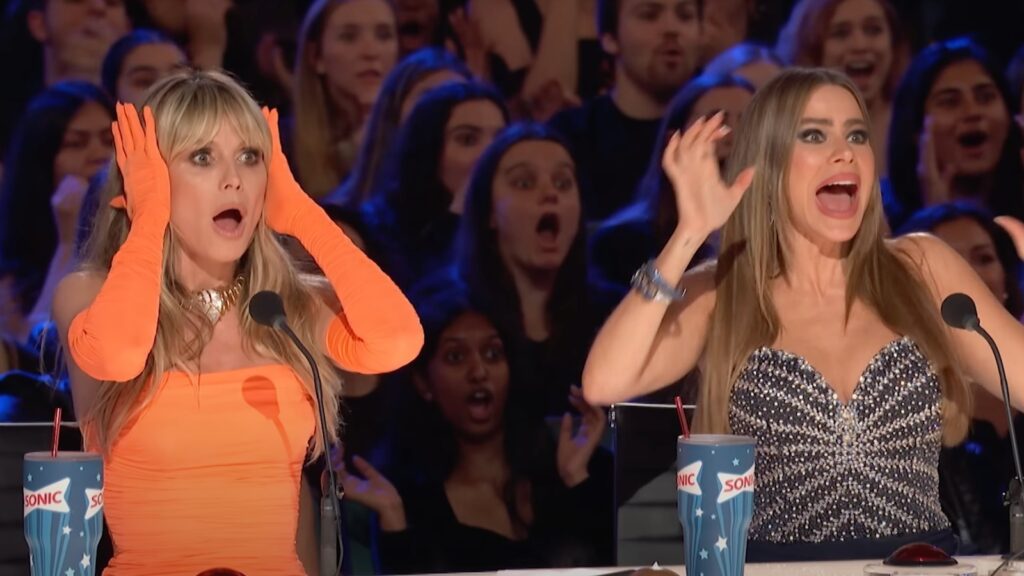
Once the solo commenced, the judges’ reactions shifted from surprise to admiration. Simon likely noted her composure, Howie might have focused on her stage presence, and Sofía on connection and courage. The audience in the studio? They moved from initial confusion to active rooting.
The post‑audition commentary often highlights: “I didn’t expect her to stay and perform,” “That took guts,” “She turned a potential disaster into a moment.” Those framed responses boost a performer’s narrative beyond just the dance.
Lessons for Performers & Creators
-
Always have a Plan B: Partner routines should include fallback versions for solo execution or missing props.
-
Mindset counts: How you react when something goes wrong is as important as how flawlessly you danced.
-
Embody the moment: If you’re suddenly alone on stage, own it. Audience and judges will follow your lead if you appear confident.
-
Story matters: The surprise element—partner missing—enhances narrative. Tell your story through your performance.
-
Use the moment to connect: Eye contact, emotion, vulnerability—all draw the viewer in when the choreography shifts.
Final Thoughts
When your dance partner doesn’t show up to an audition on AGT, what could be an embarrassment becomes a defining moment. The solo performance isn’t just about dance—it’s about character, resilience, adaptation and presence.
This kind of moment stays with viewers. It reminds us that live performance isn’t always perfect, and sometimes the imperfections create the most memorable highlights.
